
In this article
Adopting can be one of the most rewarding ways to welcome a new pet into your life. But for many would-be adopters, the biggest hurdle isn’t necessarily that they don’t want to adopt; it’s feeling confident that they’re making an informed and responsible decision.
Mars research found that while 58% of pet owners have never adopted from a shelter or rescue organization, nearly a third would consider it with the right support available. Whether you have concerns about a pet’s medical and behavior history, or understanding what to feed them, there are lots of questions to consider before welcoming a new dog into your home.
Mars is #ClearingThePath to pet adoption by giving prospective and new dog owners access to practical, expert-backed support throughout the journey.

1. What Do I Need To Consider About My Home And Lifestyle Before Adopting A Dog?
Responsible adoption is about more than picking the right dog; it’s about making sure you can realistically meet their needs. Before adopting, think about your living space, daily routine, work arrangements, and how much time you can dedicate to helping your new dog settle in and meeting their exercise, enrichment, and training needs.
Surprising for some, living in an apartment, for example, does not automatically mean you cannot adopt a dog. The right match depends less on the size of your home and more on whether you can meet that individual dog’s physical, mental, and social needs.
Always mention if you have existing pets or children at the beginning of the adoption process too. Shelter staff can help identify pets whose personality, energy level, and other needs may be a good fit for family life.
The more you speak honestly and openly with the shelter about your home, family, and daily routine, the more they can help you understand which dog will be the right match.
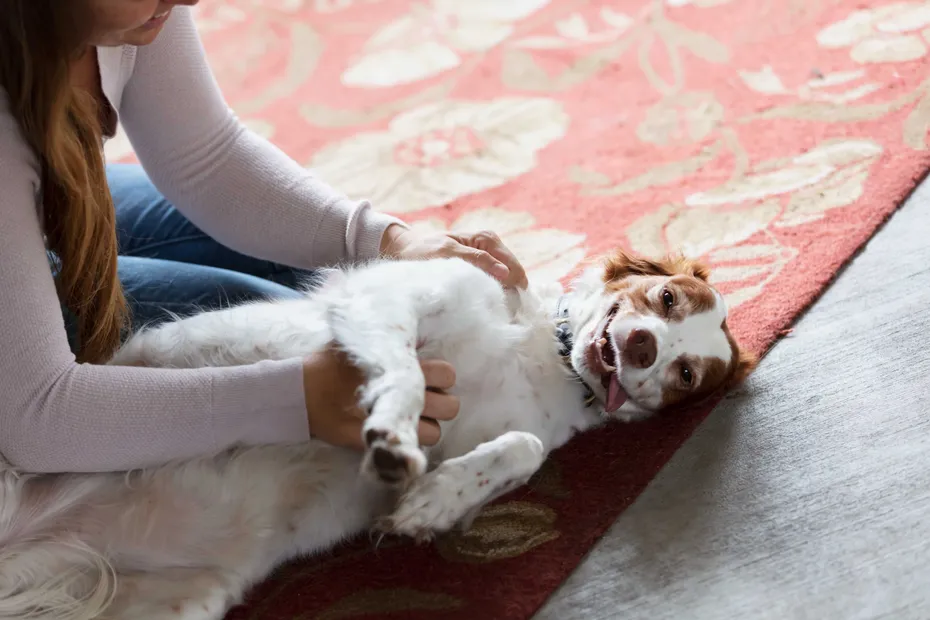
2. What’s The Best Way To Help My Dog Settle In?
Moving from a shelter into a home is a huge change for your new best friend, and you’d be amazed by how many dogs are returned to shelters within their first few days, before they’ve even had a chance to decompress, let alone adjust to their new situation.
A useful way to think about the transition is the “3-3-3” guideline: the first three days, three weeks, and three months.
During the first three days, your dog may feel overwhelmed. Dogs may hide, sleep more than usual, show less interest in food, or simply seem unsure of their surroundings. Some dogs may even show signs of fear or defensiveness, and it’s important to understand that this is not necessarily their true personality.
Keep things calm and predictable, and let your dog set the pace.
Once they become more comfortable, you may start seeing more of their personality from around three weeks, and this can be a good time to introduce gentle routines, socialization, and basic training. By around three months, many dogs may feel much more at home, although every pet is different, so don’t worry if your dog seems to need longer. Just be patient and give them the time and space they need to feel safe.

3. What Should I Feed My Dog When I First Bring Them Home?
Mars research found that 71% of adopters change their pet’s diet immediately after adoption. However, switching your new dog’s food right away may not be the best option, even if their previous diet wasn’t the best quality. Ask the shelter what your dog currently eats, how much they are fed, and how often. Keeping their existing food and routine initially can help reduce unnecessary disruption.
If you want to change their food, wait a week or so to allow them to adjust, then do so gradually by adding a small proportion of the new diet to the dog’s regular diet. On the first day, their old food should make up around three-quarters of the meal, with the new food making up the rest. The proportion of the new diet should be gradually increased each day, so that it makes up half of the dog’s food on day four and the whole meal by day seven:
Days 1 – 2: 25% new food and 75% current food.
Days 3 – 4: 50% new food and 50% current food.
Days 5 – 6: 75% new food and 25% current food.
Day 7 – 10: 100% new food.
Puppies in particular need age-appropriate nutrition to support growth and should not be switched onto adult food too early.
A dog’s diet should be complete and balanced for their age, size, activity level, body condition and health needs, and plenty of fresh water should always be available.
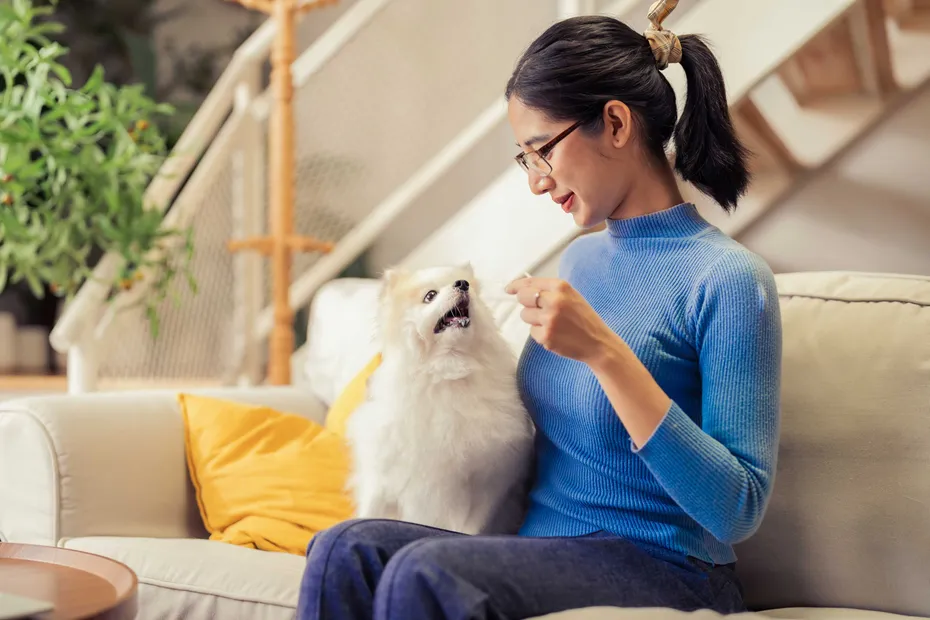
4. How Do I Establish A Routine For My New Dog?
Consistency can help your dog understand their new environment and build trust.
Establish regular times for meals, walks, rest, and play. As your dog becomes more comfortable, you can begin introducing basic training using positive reinforcement. Keep sessions short, fun, and rewarding.
It’s normal for there to be some bumps along the way as your dog adjusts to a new home and routine. Behaviors they had previously learned – toilet training, for example – may temporarily change while they settle in, so patience and consistency are important.
If you notice any sudden, persistent, or concerning changes in behavior, speak to your veterinarian or a qualified behavior professional for advice.

Adopting and bringing a new dog home is just the beginning, and it’s completely normal for questions to come up as they settle into a new routine. If you need extra guidance regarding their behavior, health, nutrition, or day-to-day care, don’t be afraid to reach out. Your shelter, veterinarian, or a qualified behavior professional can help you understand the right way forward.
For more advice to help you prepare for adoption and support your dog once they’re home, visit the Mars Adoption Hub.