

The instinct when something lands on your rug is often to scrub it out fast. For wool, that instinct will make things significantly worse. Wool fibers are delicate, and scrubbing doesn’t just push the stain deeper; it can permanently damage the rug itself. If you’ve got an expensive wool rug and a dog with an unpredictable stomach, the method matters as much as the speed.
The good news is that you don’t need specialized cleaning products or professional equipment. What you do need is the right approach and a little patience.

Gather Your Supplies First
Before you start, pull everything together so you’re not scrambling mid-clean. You’ll need gloves, paper towels, a clean towel, warm water, baking soda, a microfiber cloth, an enzyme cleaner, and one of the following: vinegar, hydrogen peroxide, or club soda. Having it all ready before you start means the stain gets less time to set.
A quick note on gloves: they’re not strictly required, but they’re worth using. Dog vomit can carry bacteria or parasites if your dog is unwell. If you skip the gloves, avoid touching your face during the process, and wash your hands immediately when you’re done.
Also worth knowing upfront: bleach and other harsh cleaning agents are off the table entirely. They’ll damage wool fibers beyond repair.
Cleaning Dog Vomit From Your Wool Carpet
Step One: Remove the Excess
Start by scooping up as much of the vomit as possible using a spoon or paper towel. It’s not pleasant, but getting the bulk of it off the surface prevents it from pressing further into the fibers and makes the remaining stain easier to treat.
Step Two: Absorb What’s Left
Place a clean towel or paper towel over the stain and apply gentle pressure. The goal here is absorption, not scrubbing. If you need to work the towel against the stain, blot rather than rub. This distinction is what protects the wool fibers throughout the entire process.
Step Three: Apply Warm Water
Dampen the stained area with warm water to help neutralize and break down what’s left. Warm is the key word. Hot water can damage wool. Blot again with a clean towel, working from the outside of the stain inward so you’re not spreading it further across the rug.
Step Four: Baking Soda
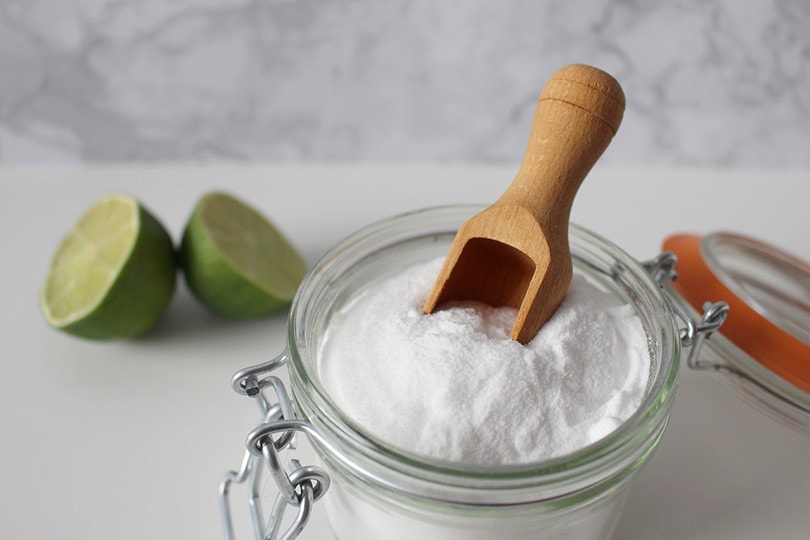
Cover the stain generously with baking soda and let it sit for five to ten minutes. As it sits, it will begin to clump as it absorbs the remaining residue. Vacuum it up after ten minutes and check your progress. You’ll likely see a noticeable improvement at this stage.
Step Five: Choose Your Cleaning Agent
Now it’s time for a more targeted treatment. Club soda, white vinegar, or hydrogen peroxide all work here, but club soda is the safest starting point since it’s unlikely to affect color. If you go with vinegar or hydrogen peroxide, do a spot test first. Dab a small amount onto a hidden section of the rug, somewhere near the edge or under where furniture usually sits, and wait five minutes. No discoloration means you’re safe to proceed.
Apply your chosen product to a clean microfiber cloth and blot at the stain, continuing until it lifts. Add more product to the cloth as needed, but always blot rather than rub.
Step Six: Deal With Any Odor
One of wool’s natural advantages is that it resists odors well. If your rug is 100% wool, you may find the smell is already gone once the stain is out. If any odor remains, apply baking soda or vinegar to the area, let it sit for about ten minutes, then vacuum or blot it away. Repeat if needed.
Step Seven: Rinse and Dry
Once the stain and odor are handled, rinse the area with a damp microfiber cloth to remove any cleaning product residue. Then let the rug dry completely. If you can move it outside, sunlight speeds up drying and helps with any lingering odor. If you’re working indoors, a fan pointed at the area works well. Wool dries faster than most fabrics, so the wait shouldn’t be long.

The One Rule That Runs Through All of This
Every step in this process comes back to the same principle: be gentle. Wool is durable in many ways but surprisingly vulnerable to aggressive cleaning. No scrubbing, no hot water, no bleach. Work slowly, blot carefully, and the rug will come through it looking fine.
Dogs get sick on things. It happens. A wool rug is not a lost cause when they do.
Feature Image Credit: Natalie Shuttleworth, Shutterstock
Did You Know?
- Our brand-new posts are rounded up and included in our weekly emails. Don’t miss out on the latest – sign up for our newsletter below!