

Your dog is staring at you. They’ve paced between the door and the couch. They’ve sighed dramatically from their bed. The message is clear: they’re bored, and it’s somehow your problem to solve.
A bored dog doesn’t just sulk. They chew furniture, bark excessively, dig up the yard, or find creative ways to destroy your belongings. Mental and physical stimulation isn’t optional for dogs; it’s essential. The amount they need depends on breed, age, energy level, and health, but every dog needs something to do.
Here are 10 simple ways to keep your dog entertained, whether you’re stuck indoors during bad weather or just need ideas for daily enrichment.

1. Create a Scavenger Hunt
Hide small piles of kibble or treats around the house before you leave for the day. Tell your dog to find them, then let them work for it. You can use an entire meal’s worth of kibble so they have to search for their breakfast or dinner.
This turns your departure into something positive instead of anxiety-inducing. Your dog associates you leaving with the fun hunt that follows.
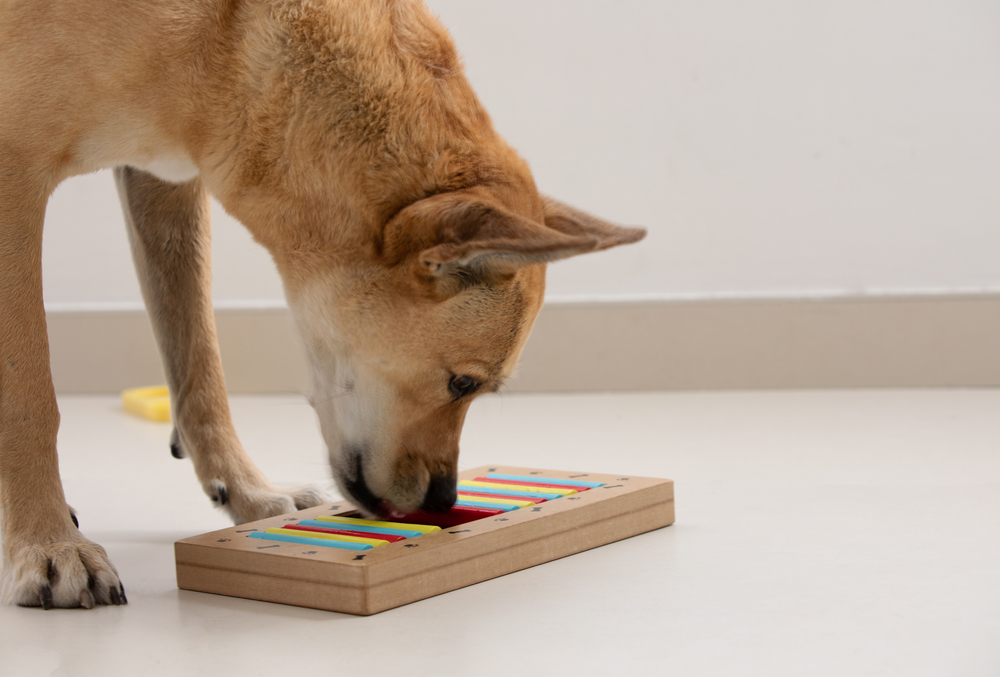
2. Use Food Puzzles
Food puzzles make dogs work for rewards. Fill one with kibble or treats and let them figure it out. If you’re willing to invest in a few different styles, rotate them so your dog doesn’t get bored solving the same puzzle repeatedly.
These toys provide mental stimulation that tires dogs out as effectively as physical exercise.
3. Stuff Treats Into Toys
Kong toys or treat balls work similarly to puzzles but are easier to solve. Fill a Kong with plain yogurt or peanut butter and freeze it. Your dog will spend ages trying to extract the reward.
A frozen Kong can keep an energetic dog occupied for hours, making it perfect for times when you need them settled.
4. Play Hide and Seek
Have your dog sit and stay. Go hide somewhere in the house (or yard). Once you’re in position, call your dog to come find you. When they succeed, reward them with a treat and tons of praise.
You can play this repeatedly for as long as they’re interested. It combines obedience training with physical activity and problem-solving.
5. Work on Obedience Training
Teaching new commands or reinforcing old ones gives dogs a mental workout. Just 10 minutes of focused training can tire them out significantly. Work on basics like sit, stay, down, and come. Once they master those, move to more complex tricks like roll over, play dead, or fetch specific items.
Dogs that regularly learn new things stay mentally engaged and less prone to boredom-driven destruction.

6. Change Their Toys Regularly
Dogs get bored with the same toys every day, especially worn or broken ones. Rotate toys every few weeks instead of leaving everything out constantly. When old toys reappear after being stored, they feel new again.
You can also introduce genuinely new toys periodically to keep things fresh.
7. Teach Them to Tidy Up
Train your dog to put their toys in a basket or bin. Start by holding a toy over the container and asking them to drop it. Reward them with treats when they do. Eventually, have them pick toys up from the floor and place them in the basket.
This takes patience to teach, but once they learn it, you can expand the skill to other tasks like putting dirty clothes in the laundry basket.

8. Set Up Solo Play Games
Create games your dog can play independently. Attach a tug toy to something stationary so they can pull whenever they want. Teach them to drop their ball downstairs or roll it down a hallway so they can chase it.
These work well when you’re busy, but your dog needs activity.
9. Use a Snuffle Mat
Snuffle mats mimic grass or fields with different textures. Hide treats or kibble throughout the mat and let your dog search for them. The sniffing and foraging satisfy natural instincts while keeping them busy.
A well-packed snuffle mat can occupy your dog for significant periods.
10. Give Them Extra Attention
Sometimes, what your dog wants most is simply you. Spend time giving belly rubs, starting a grooming session, or just sitting together. Many dogs enjoy being brushed, and you’ll keep their coat healthy in the process.
Bonding time is meaningful interaction that prevents boredom and strengthens your relationship.
The Weather Factor
Outdoor play is ideal, but the weather doesn’t always cooperate. Rain, extreme heat, or freezing temperatures can trap you indoors for days. Having indoor enrichment options ready prevents cabin fever for both you and your dog.
Mix mental and physical activities. A dog who spent 20 minutes solving food puzzles might be just as tired as one who ran around the yard for 20 minutes.

Preventing Destructive Boredom
Bored dogs become destructive dogs quickly. Chewed furniture, shredded pillows, torn-up yards, and constant barking all stem from insufficient stimulation. Prevention is easier than dealing with the damage.
Build entertainment into your dog’s daily routine instead of treating it as an occasional bonus. Consistency matters more than grand gestures. Ten minutes of training daily beats an hour-long play session once a week.
The Bottom Line
Keeping your dog entertained doesn’t require elaborate setups or expensive equipment. Simple activities like scavenger hunts, hide and seek, and training sessions provide the mental and physical stimulation dogs crave.
Pay attention to what your dog enjoys most. Some dogs love food puzzles while others prefer interactive play. Some want solo activities while others need your direct involvement. Experiment with different options from this list to figure out what works best.
The effort you put into preventing boredom pays off in a happier, calmer, better-behaved dog. And honestly, a tired dog makes for a more peaceful household for everyone.
Feature Image Credit: Ian Dyball, Shutterstock
Did You Know?
- Our brand-new posts are rounded up and included in our weekly emails. Don’t miss out on the latest – sign up for our newsletter below!