
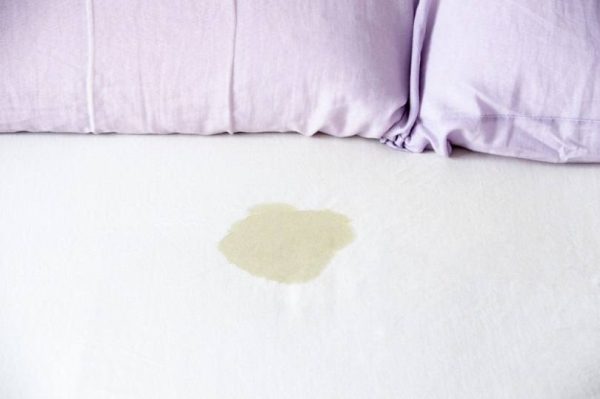
A wet spot on your dog’s bed isn’t the same as a house training accident. When dogs leak urine while lying down or sleeping, something is medically wrong, and waiting to see if it resolves on its own wastes critical time.
Random dribbles happen with untrained puppies and senior dogs, but consistent urination during rest signals an underlying condition that requires immediate veterinary attention. Some causes respond well to treatment. Others indicate serious problems like bladder obstructions or neurological damage that can be fatal if left untreated.
Your dog isn’t choosing to pee in their sleep. Their body is failing them in some way, and they need help.

What Your Vet Will Do
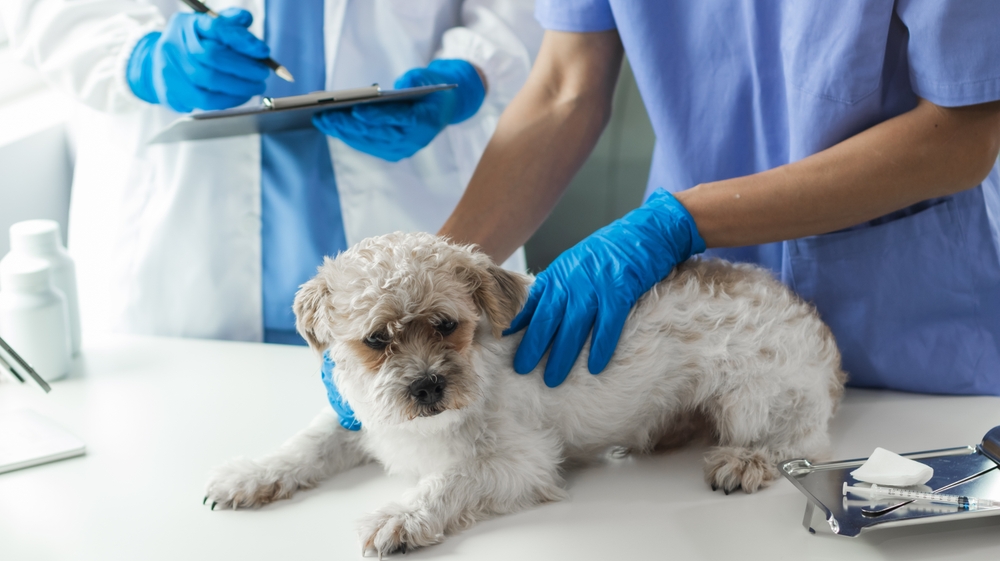
Your veterinarian will perform a complete physical examination, then run a urinalysis to check for infection. Blood tests can rule out conditions like Cushing’s disease or diabetes. Depending on findings, your vet may order X-rays to detect urinary stones or an ultrasound to identify bladder tumors.
Help your vet by tracking when the leakage started, how often it happens, and any other symptoms you’ve noticed.
The Six Causes Behind the Leaking
Bladder Obstructions: Blockages from stones, tumors, blood clots, or urethral plugs create life-threatening emergencies. If the bladder ruptures, it’s fatal. Even partial blockages cause symptoms like urinating in tiny amounts, straining, accidents in unusual places, urine dripping instead of streaming, or bloody urine. Treatment includes surgery, specialized diets to dissolve stones, or ultrasonic waves and lasers to break them up.
Anatomic Abnormalities: Birth defects, injuries, or surgical complications can damage bladder function. In younger dogs, ectopic ureters often cause the problem. Normal ureters transport urine from kidneys to bladder, but abnormally positioned ones redirect urine to the vagina or urethra, causing leakage. Some respond to medication, but many require surgery.
Neurological Issues: Spinal cord damage, lumbar lesions, and brain diseases affect bladder-controlling nerves, leading to leakage during rest. Your vet will perform sensation checks and spinal reflex assessments to diagnose these conditions. Some cause permanent incontinence, though dogs with certain spinal injuries have regained continence after treatment.
Urethral Sphincter Mechanism Incontinence (USMI): Often called “spay incontinence,” USMI occurs when declining estrogen levels weaken the urethral sphincter, reducing bladder storage capacity. Spayed females face highest risk, especially medium and large breeds, dogs with docked tails, and overweight dogs. Particularly vulnerable breeds include Irish Setters, Boxers, Doberman Pinschers, German Shepherds, Rottweilers, Giant Schnauzers, Weimaraners, and Old English Sheepdogs. Hormone replacement medications work in about 70% of cases.
Urinary Tract Infections (UTIs): Common causes of leakage that typically respond to antibiotics or dietary changes. Bacteria travel through the urethra to the bladder and contaminate normally sterile urine. Symptoms include blood in urine, frequent genital licking, foul-smelling urine, and leakage. Your vet may discover crystals during urinalysis, prompting imaging to check for bladder stones.
High Anxiety: Fear can cause dogs to hold urine for uncomfortably long periods, building extreme bladder pressure that eventually results in leakage. Since dogs relax while resting, you’re more likely to notice leakage when they lie down. Vets treat anxiety with medications and supplements, but you must also identify the stress source.
Living With an Incontinent Dog
While your dog receives treatment, make home adjustments to keep them comfortable. Take them outside more frequently, even setting overnight alarms for every 2 to 3 hours. Clean thoroughly using gentle microbial soap or pet wipes to prevent “urine scalding” from prolonged skin contact with urine.
Place absorbent puppy pads in bedding and consider a waterproof dog bed. Diapers work as temporary solutions, though monitor your dog to ensure they don’t cause irritation or restrict movement. Report any new symptoms to your vet immediately, as treatment can take days or weeks.
The Bottom Line
Dogs leaking urine while lying down need prompt veterinary care. Early diagnosis prevents problems from becoming life-threatening and accelerates recovery. That wet spot on the bed isn’t something to ignore. It’s your dog’s body signaling that something is wrong, and the sooner you act, the better their chances of full recovery.
Feature Image Credit: cunaplus, Shutterstock
Did You Know?
- Our brand-new posts are rounded up and included in our weekly emails. Don’t miss out on the latest – sign up for our newsletter below!