
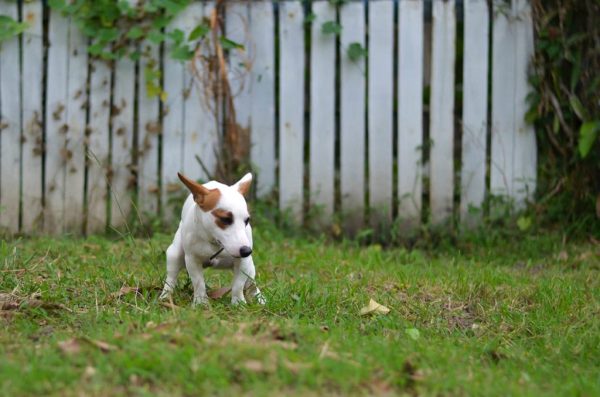
Yellow dog poop is one of those things that sounds bizarre until it happens to your dog. Then suddenly you’re standing there with a poop bag in hand, staring at something that’s definitely not the normal brown you’re used to, and wondering if you need to call the vet immediately or if your dog just ate something weird.
The frustrating part? The color alone doesn’t answer that question. Yellow poop can mean your dog got into crayons, or it can signal liver disease, pancreatitis, or parasites. Without context, you’re just guessing.
What actually matters is everything else: how your dog is acting, whether this is a one-time thing or ongoing, what they might have eaten recently, and whether other symptoms are showing up. Yellow poop paired with normal energy and appetite is very different from yellow poop paired with vomiting and lethargy.
Here’s how to figure out which situation you’re dealing with and when yellow poop actually warrants an emergency vet visit.

What Yellow Poop Actually Means
When your dog passes completely yellow poop, bile pigment is usually present. Bile should normally be reabsorbed by the body. When it stays in the stools, it indicates that gastrointestinal transit time has changed.
Transit time is how long it takes for food to travel through your dog’s stomach and intestines until it comes out as waste. When transit time speeds up, diarrhea results, often yellow because of bile pigments. When it slows down, constipation happens.
Transit time changes for various reasons: inflammatory bowel disorders, parasites, cancer, liver disease, pancreatitis, and gallbladder issues. This is why a vet visit matters when your dog’s poop turns yellow.
The Harmless Explanations
Sometimes yellow poop is genuinely nothing to worry about. Dogs eat things they shouldn’t. Crayons, chalk, and other items with yellow pigment pass through their system and color their feces. If you notice small yellow pieces in the poop or random yellow patches rather than completely yellow stools, your dog probably ate something colorful.
Food intolerances can also cause yellow poop. If your dog has an adverse reaction to certain foods, their digestive system responds with yellow stools.
The Serious Causes
Infections
Both viral and bacterial infections affect stool color. Your dog will usually show other signs like fever, loss of appetite, and possibly blood in the stools.
Liver Disease
Any disease affecting the liver or gallbladder causes pale yellow stools because the body can’t excrete bile effectively. Watch for reduced appetite, abdominal pain, vomiting, and weight loss.
Parasites
Hookworms, roundworms, tapeworms, and Giardia all cause looser, yellow stools.
Inflammatory Bowel Disease and Irritable Bowel Syndrome
Frequent yellow stools might indicate IBS, triggered by stress or diet changes. IBD results from chronic intestinal irritation and causes chronic yellow diarrhea. Dogs with either condition may appear in pain, lose appetite, vomit, and become bloated.
Pancreatitis
When the pancreas becomes inflamed, it’s extremely painful. Your dog will likely vomit along with passing yellow stools.
Gallbladder Disease
Problems with bile flow caused by injury, gallstones, or tumors produce bright yellow stools.
What Your Vet Will Do
Your veterinarian will perform a complete exam and take a detailed history about recent diet changes or unusual eating. The most useful test is sending a fecal sample to a lab. Your vet may also take blood and urine samples to assess organ function. Depending on what they suspect, X-rays and ultrasound scans might be necessary.
How Treatment Works
Treatment depends on the underlying cause. If your dog scavenges and eats things they shouldn’t, monitor them closely on walks. Some owners use muzzles.
Infections require antibiotics. Parasites need anti-parasite treatment. Liver disease management may include intravenous fluids, antibiotics, and diet changes. IBD responds to dietary changes and sometimes steroids. Some dogs need vitamin B12 injections. Managing stressors and increasing fiber helps with IBS.
Pancreatitis treatment involves pain relief, intravenous fluids, and anti-inflammatory drugs. Gallbladder disease might require antibiotics, surgery to remove stones, or complete gallbladder removal.
Quick Reference: When to Worry
Call your vet immediately if:
- Yellow poop continues for more than 24 hours
- Your dog shows other symptoms (vomiting, lethargy, loss of appetite, pain)
- You see blood in the stool
- Your dog seems distressed
It might be harmless if:
- You know your dog ate something with yellow coloring
- It’s a one-time occurrence
- Your dog is acting completely normal
- You only see small yellow pieces, not completely yellow poop
Safety Notes
Some causes of yellow poop are contagious. Infectious diseases can pass from dog to dog, and some transfer to humans. Always wear gloves when handling poop and wash your hands thoroughly.
Any poop color that isn’t dark brown warrants attention. Main concerning colors: black, red, orange, yellow, and green. If your dog’s poop color changes, get it checked.
Final Thoughts
Yellow dog poop could mean nothing or signal a serious health issue. You can’t diagnose the cause just by looking. Context matters: what your dog ate recently, whether they’re showing other symptoms, and whether this is ongoing.
Monitor your dog’s poop during daily walks. It gives you valuable health insights. When something changes from normal dark brown, pay attention. If your dog shows any other signs of being unwell alongside yellow poop, schedule a vet appointment. And if possible, bring a sample.
Your dog can’t tell you when something’s wrong. Their poop does some of that talking for them. Listen to it.
Feature Image Credit: Kiadtisak-Khwanyu, Shutterstock
Did You Know?
- Our brand-new posts are rounded up and included in our weekly emails. Don’t miss out on the latest – sign up for our newsletter below!