
In this article
If your dog struggles with dry skin, itching, or a dull coat, you may have come across salmon oil, but you might also be wondering what it does, exactly, and whether it is right for every dog.
Understanding how salmon oil works, when it may be helpful, and how to use it responsibly can help pet parents like you make more informed decisions about your dog’s nutrition.

What Is Salmon Oil?
Salmon oil is derived from the fatty tissue of salmon and is naturally rich in omega-3 fatty acids, particularly EPA (eicosapentaenoic acid) and DHA (docosahexaenoic acid). These nutrients play an important role in supporting various biological functions, including skin health, inflammation regulation, and cardiovascular function.¹
Compared to plant-based sources of omega-3s, fish-derived fatty acids are more readily metabolized, making them a common choice in canine nutrition.²

Is Salmon Oil Good for Dogs?
For many dogs, salmon oil can be a beneficial addition to a balanced diet. Omega-3 fatty acids are considered essential nutrients, meaning dogs cannot efficiently produce them on their own and must obtain them through food or supplementation.
Because of its omega-3 content, salmon oil is often used to support:
- Skin hydration and barrier function
- Coat quality and shine
- Joint health and mobility
- General well-being and nutritional balance
However, it is important to recognize that salmon oil is not a cure-all. Its effectiveness depends on the individual dog, the underlying cause of any symptoms, and consistent, appropriate use. As with any supplement, it’s always a good idea to consult your veterinarian to determine what’s appropriate for your dog’s individual needs.
Can Salmon Oil Help With Itchy Skin?
One of the most common reasons pet owners turn to salmon oil is to support dogs with itchy or irritated skin.
As noted by Dr. Amber Da Silva, DVM, an in-house veterinarian at Vital Pet Life, the support from Omega-3 fatty acids is most effective when combined with a comprehensive strategy that addresses the root cause of the irritation. Omega-3 fatty acids are known to play a role in strengthening the skin barrier, regulating inflammatory responses, and contributing to maintaining a healthy coat and overall skin health, which can potentially ease mild itching linked to dryness or environmental irritants.
It is important to note that itching can stem from a variety of causes, including allergies, parasites, or infections. While salmon oil may support skin health, persistent or severe symptoms should be evaluated by a veterinarian.
Think of your dog’s skin as a timber fence. Salmon oil is the paint and varnish that strengthens and protects the wood, but if there are termites or wood rot, these need to be treated as well.
How Long Does Salmon Oil Take to Work?
Salmon oil does not provide immediate results. Because it works at a nutritional level, changes in skin and coat condition occur gradually as the omega-3 fatty acids are incorporated into the system.³
Some pet owners may begin to notice improvements in coat softness or shine within a few weeks, while more noticeable changes in skin condition may take longer. Results can vary depending on the dog’s health status, diet, consistency of use, and even the time of year.
How Much Salmon Oil Should You Give a Dog?
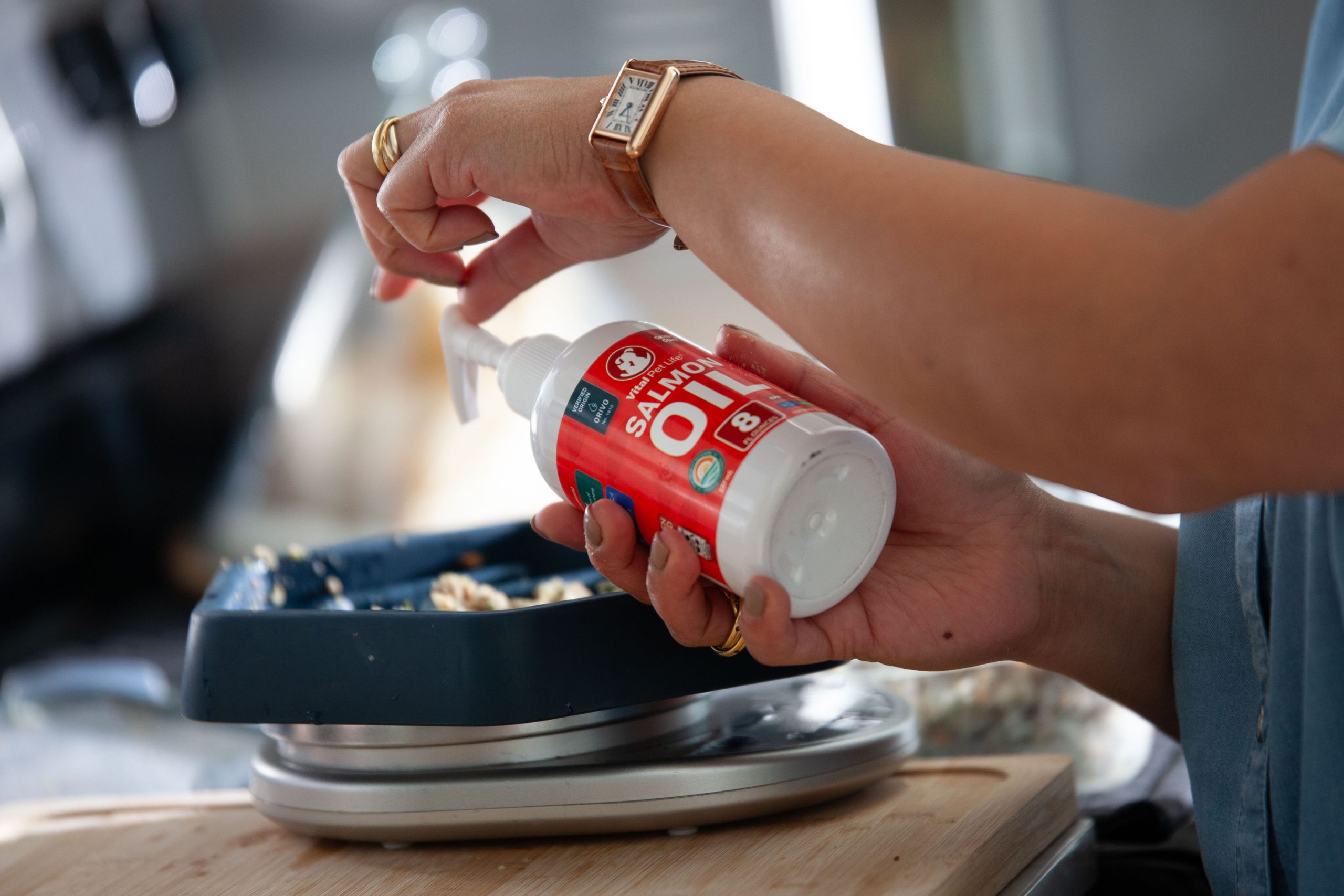
The appropriate amount of salmon oil depends on factors such as a dog’s size, diet, and overall health. Most products provide feeding guidelines based on weight, which should be followed carefully.
General best practices include:
- starting with the recommended serving size
- introducing the supplement gradually
- avoiding over-supplementation
Because salmon oil is calorie-dense, excessive use may contribute to unintended weight gain if not accounted for in the dog’s daily intake. If you’re unsure about the appropriate amount, your veterinarian can help guide dosing based on your dog’s size and health status.
Can Dogs Have Salmon Oil Every Day?
In many cases, salmon oil can be given daily as part of a consistent feeding routine, provided it is used in appropriate amounts.
Daily use is often associated with long-term support for skin, coat, and overall nutritional balance. As with any supplement, pet owners should monitor their dog for any changes in digestion, weight, or overall condition. Dogs with a history of digestive problems or pancreatitis should not be started on salmon oil without veterinary advice.

Are There Any Side Effects?
When used appropriately, salmon oil is generally well tolerated by most dogs.⁴ However, excessive intake may lead to:
- digestive upset, such as loose stools
- increased calorie intake
- nutritional imbalances
Dogs with certain medical conditions, including those requiring low-fat diets, may need additional consideration. Consulting a veterinarian before introducing new supplements is recommended, particularly for dogs with existing health concerns.
Salmon Oil vs. Other Oils
Salmon oil is sometimes compared to alternatives such as coconut oil or plant-based oils. While these options may offer different properties, they are not nutritionally equivalent.
Fish oils provide EPA and DHA directly, while plant-based oils typically contain ALA (alpha-linolenic acid), which dogs convert inefficiently into usable omega-3 fatty acids. This difference is one reason fish oil is often selected when targeting omega-3 intake.
The Importance of Quality and Sourcing
As interest in pet supplements grows, knowing exactly where ingredients come from and being able to trust what’s on the label has become increasingly important. Because food supplements are not regulated by the FDA, it is up to pet owners to do their research to ensure they are purchasing a quality product from a reputable source.
Some manufacturers emphasize traceability and third-party verification, including certifications such as ORIVO, which verifies the origin of fish-based ingredients, and sourcing from fisheries certified by organizations like the Marine Stewardship Council (MSC) or Aquaculture Stewardship Council (ASC). These standards are intended to support transparency, sustainability, and quality assurance in ingredient sourcing.⁵
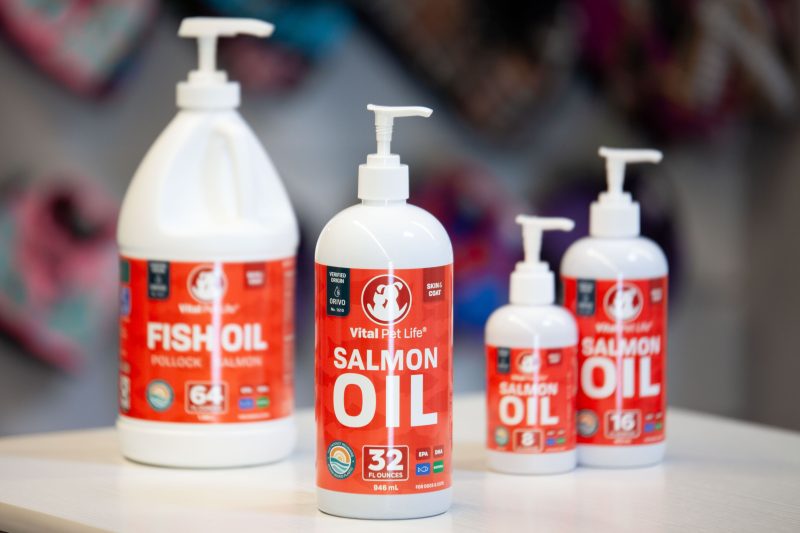
For pet owners evaluating options, choosing a salmon oil that prioritizes purity, traceability, and third-party testing can make a meaningful difference. Some brands, such as Vital Pet Life, emphasize independently verified sourcing and quality standards to help ensure consistency and transparency in their products.
A Balanced Approach to Supplementation
Salmon oil can support canine health, but it is most effective when used as part of a broader, well-rounded approach to nutrition and care.
As Donie Yamamoto, Founder & CEO of Vital Pet Life, explains:
“We believe science, not trends, should guide pet wellness. Our mission is to empower veterinarians and pet parents with effective, third-party tested supplements designed to support lifelong vitality.”
This perspective reflects a growing focus within the pet wellness industry on evidence-based nutrition, ingredient transparency, and long-term health outcomes rather than quick fixes.
The Bottom Line
Salmon oil can be a valuable addition to a dog’s diet when used thoughtfully and in appropriate amounts. Its omega-3 content may support skin, coat, and overall wellness, particularly for dogs with specific nutritional needs.
However, like any supplement, it should be used with care and an understanding of its role within a complete health plan. For ongoing concerns or more complex conditions, consulting a veterinarian remains an important step toward the best possible outcome for your dog.
Vital Pet Life’s products are available through select online retailers, including Amazon, Chewy, Walmart, and Petco.